Call Now
wellness real estate


You know the size of your home. You know its price. You may even know its market value. But there is one metric most people never consider. 

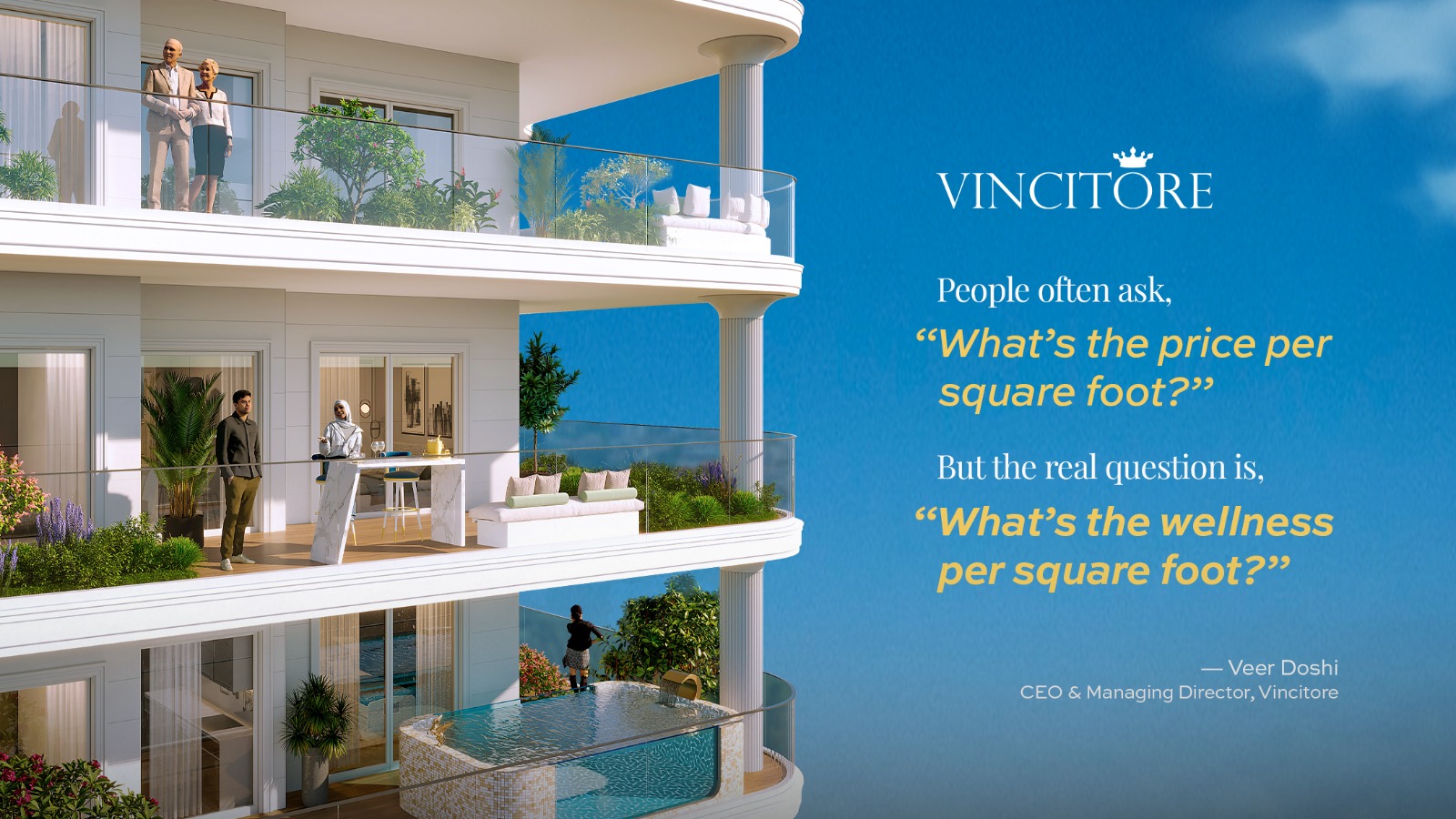
What is the wellness per square foot of your home? 

This question goes beyond design and square footage. It asks how your home supports the way you breathe, sleep, think, and recover each day. Homes are active environments that shape health in ways we often do not notice. 

The air circulating through your rooms, the light that wakes you each morning, the water touching your skin, and the materials surrounding you all day quietly influence energy levels, immunity, focus, and long-term well-being. Over time, these everyday exposures add up. Some homes help the body reset and restore. Others create subtle stress that becomes normal simply because it is familiar. 

Wellness per square foot brings attention to what traditional real estate metrics overlook. It measures not how much space you own, but how well that space works for you. As awareness grows, this perspective is changing how people evaluate where they live, what they invest in, and what they expect from a home. 

Because in modern living, true value is no longer defined only by location or layout. It is defined by how a home supports the life lived within it. 

It asks a simple but powerful question. What is your home actually doing for your health? 

The Hidden Health Gap in Ordinary Homes 

Most conventional homes are not designed to harm us. But they are also not designed to support us. 

Standard residential construction prioritizes cost efficiency, speed, and aesthetics. In doing so, it unintentionally exposes residents to a collection of low-grade stressors that accumulate over time. Research shows that 85 to 95% of urban residents experience these hidden environmental pressures daily. 

Individually, they may seem minor. Together, they create what researchers call a cumulative health burden. 


Indoor Air and Chemical Exposure 

Ordinary homes continuously release volatile organic compounds from paints, sealants, furniture, and finishes. These compounds do not disappear after construction. Studies show that indoor VOC levels in standard homes can reach 6-60 times above safe thresholds, with emissions continuing for 3 to 5 years. 

The effects are not dramatic or immediate. They are subtle and persistent. Headaches, poor concentration, irritated airways, fatigue, and what many people describe as “low energy” become normalized. Families often blame stress or pollution outside, unaware that their own home may be contributing to the problem. 

Wellness residences approach air quality as a health system rather than a utility. By using low-toxicity materials and medical-grade filtration, they reduce chemical exposure and allow the body to function without constant environmental resistance. 

Light That Works Against the Body 

Modern homes create a lighting paradox. During the day, indoor light levels are often 100 times dimmer than natural daylight. At night, artificial lighting and screens expose residents to brightness levels that are 10-100 times brighter than natural darkness. 

This disrupts circadian rhythms, delays melatonin release, and reduces sleep quality. Research links artificial light at night to shorter sleep duration, reduced REM sleep, mood decline, and increased metabolic risk. 

In contrast, wellness-designed homes use circadian lighting strategies that align indoor light with the body’s natural clock. This supports better sleep, steadier energy levels, and improved mental clarity without requiring lifestyle changes from residents. 

 

The Invisible Impact of EMF Exposure 

Traditional homes now contain dozens of RF-emitting devices, from Wi-Fi routers to smart appliances. While these devices meet regulatory safety limits, recent studies show that constant low-level electromagnetic exposure can still affect sleep architecture. 

Research indicates increased cortical arousal, reduced deep sleep, and higher insomnia risk in environments with continuous RF exposure. These effects often go unnoticed but contribute to poor sleep quality and long-term fatigue. 

Wellness residences address this by reducing background exposure through thoughtful planning and shielding strategies, creating calmer sleep environments that allow the nervous system to fully recover. 


Noise as a Daily Stressor 

Noise pollution inside ordinary homes is one of the most underestimated stress factors. Traffic, neighbours, HVAC systems, and appliances create constant background noise that residents cannot control. 

Studies show that even moderate indoor noise levels increase sleep fragmentation by 30 to 40% and elevate stress hormones throughout the day. Over time, this affects cardiovascular health, focus, and emotional resilience. 

Wellness-focused homes integrate acoustic planning into construction, reducing unwanted noise and creating spaces where quiet becomes a default rather than a luxury. 

The Cost of Living Without Nature 

Most urban homes offer limited access to greenery, natural light, or outdoor space. This creates a measurable biophilic deficit. Research links nature deprivation to lower sleep quality, reduced creativity, weaker immune response, and higher stress levels. 

Homes designed with biophilic principles restore this balance. Views of greenery, natural materials, and access to outdoor spaces improve mood, cognitive performance, and overall vitality. These benefits are not emotional alone. They are physiological.

Ordinary Homes vs Wellness Homes 

When these factors combine, ordinary homes create a health debt that builds quietly over time. Research shows that residents in wellness focused residences experience: 

  • Up to 67% improvement in sleep quality 
  • 33% reduction in respiratory symptoms within weeks 
  • 25% increase in cognitive performance 
  • Higher life satisfaction and emotional well-being 

Wellness homes reduce chemical exposure, support circadian health, minimize noise and electromagnetic stress, and reconnect residents with nature. The difference is not subtle. It is measurable. 

Why Wellness Per Square Foot Matters 

Wellness per square foot shifts the definition of value. It measures not just how much space a home offers, but how effectively that space supports human health. 

Two homes may share the same size, location, and finish quality. But their impact on the people living inside them can be dramatically different. 

A wellness residence does not rely on residents to compensate for environmental stress. It removes the stress at the source. 


The Nature Factor in Wellness Per Square Foot 

Access to nature is one of the clearest examples of “wellness per square foot” in real life. It is not just about having greenery nearby. It is about what that greenery does to the way people think, feel, and function. Research consistently shows that time spent in natural settings can lift creativity and problem-solving by up to 50%, which explains why people often feel sharper and more reset after even short exposure to green environments. 

The benefits also extend to emotional balance. Studies associate living close to nature with up to 55% lower stress levels, which translates into calmer days, steadier moods, and better recovery after work. Over time, this kind of daily regulation matters. It shapes how well people sleep, how patient they feel, and how consistently they can show up with energy. 

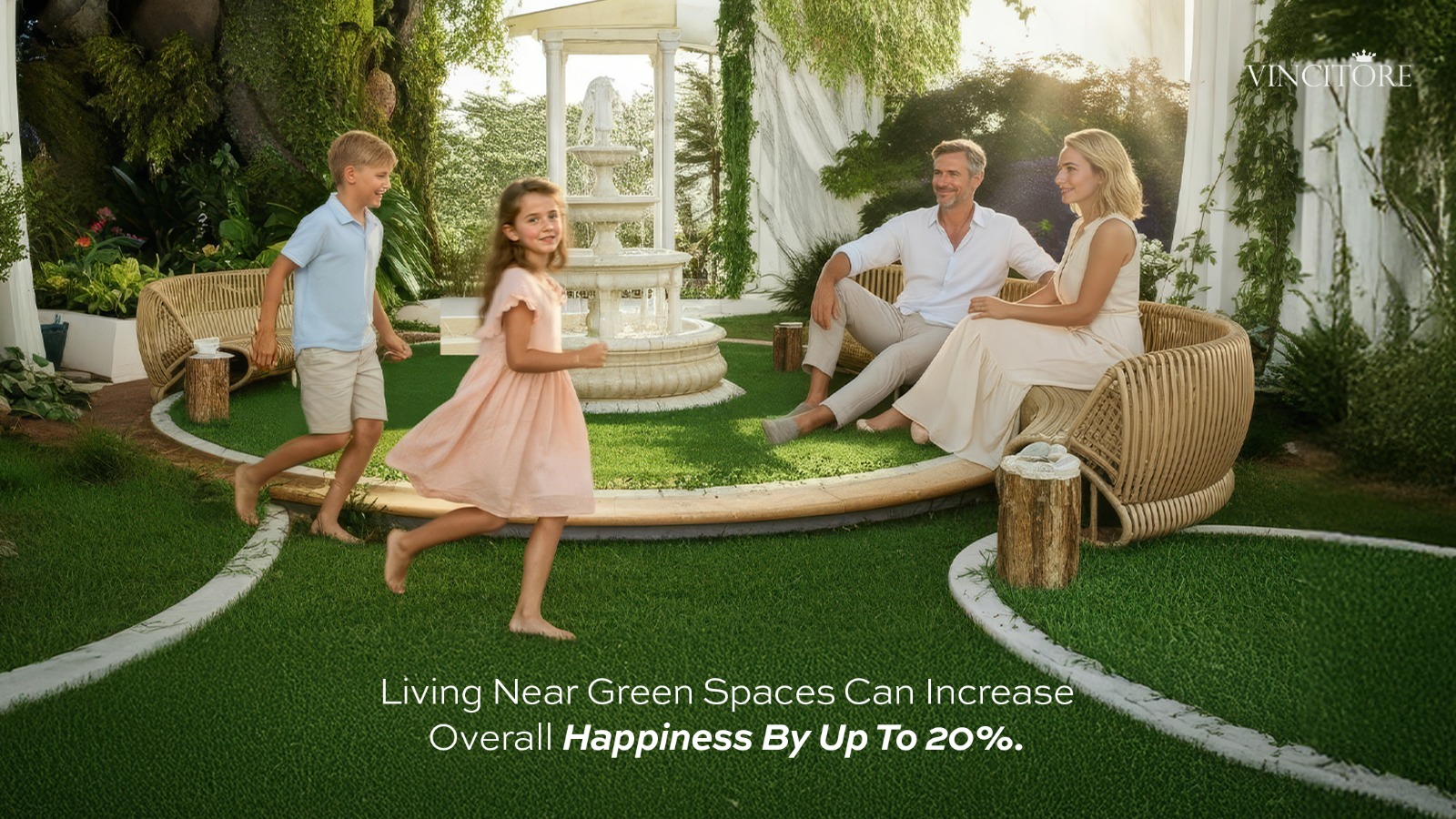
It also changes happiness in measurable ways. Living near green spaces has been linked to up to 20% higher overall happiness, which reinforces a simple truth. True luxury is not only about what a space costs. It is about what it gives back, day after day, through the quality of life it quietly supports. 

A Better Way Forward 

This is not about fear or perfection. It is about awareness. 

Ordinary homes reflect outdated assumptions about how people live. Wellness residences reflect how people actually live today. Indoors. Connected. Exposed. In need of environments that support, not drain, their energy. 

As research continues to confirm the link between built environments and long-term health, the question becomes unavoidable. 

What is the wellness per square foot of your home? 

Because true value is no longer measured by what a home looks like on paper. It is measured by how well it supports the life lived within it. 


Download Brochure

Download Floor Plan

Download Floor Plan

Download Brochure

Download Floor Plan

Download Brochure

Download Floor Plan

Download Brochure

Download Floor Plan

Download Brochure

Download Floor Plan

Download Brochure

Download Brochure

Download Floor Plan

BECOME A CHANNEL PARTNER

Download Floor Plan

Download Brochure

ENQUIRE NOW

REGISTER YOUR INTEREST

TALK TO OUR EXPERTS

BOOK A VIEWING

ENQUIRE NOW

ENQUIRE NOW